

What is the best international school in Bali – Choosing the best international school in Bali is one of the most important decisions you can make for your child’s future.
Beyond impressive campuses and international qualifications, the right school should nurture curiosity, encourage independent thinking, and help students develop the confidence to navigate a changing world.
Understanding how different schools approach education can help you make a decision that fits your child’s individual strengths and long-term ambitions.
Yet, what is the best international school in Bali when every family has different priorities? The answer may depend less on popularity and more on the curriculum, classroom experience, student support, and opportunities available throughout a child’s educational journey.
By examining these factors carefully, you can identify a school that aligns with your expectations, including whether Bali Island School deserves a place on your shortlist.
Read Other Interesting Articles: International Schools in Bali Parents Rave About, and the Ones They Quietly Avoid
What Should You Consider When Choosing an International School?
The best school for one child may not be the ideal choice for another. Some students thrive in academically challenging environments, while others benefit from additional encouragement to explore their interests, communicate confidently, and discover their learning preferences.
Before comparing individual schools, establish what matters most to your family. Consider the following five factors to help you evaluate educational options in Bali more objectively.
1. Choose a Curriculum That Prepares Students for the Future

A school’s curriculum influences how students acquire knowledge, develop skills, and demonstrate their understanding. When researching international education, investigate whether the learning framework encourages critical thinking, collaboration, creativity, and the practical application of knowledge. These abilities can help children prepare for further education and an increasingly interconnected world.
The International Baccalaureate (IB) is one curriculum framework worth exploring if you value inquiry-based learning. Its programmes encourage students to ask questions, investigate ideas, reflect on their learning, and make connections between different subjects. However, the suitability of any curriculum depends on your child’s needs and how effectively the school implements its educational approach.
Bali Island School offers the IB Primary Years Programme (PYP), Middle Years Programme (MYP), and Diploma Programme (DP), creating a pathway from preschool through Grade 12. Families can explore how these programmes develop progressively and determine whether the IB approach matches their educational goals.
What to investigate:
- Which curriculum does the school offer?
- How are students assessed and supported?
- What pathways are available after graduation?
2. Look Beyond Academic Results and Qualifications
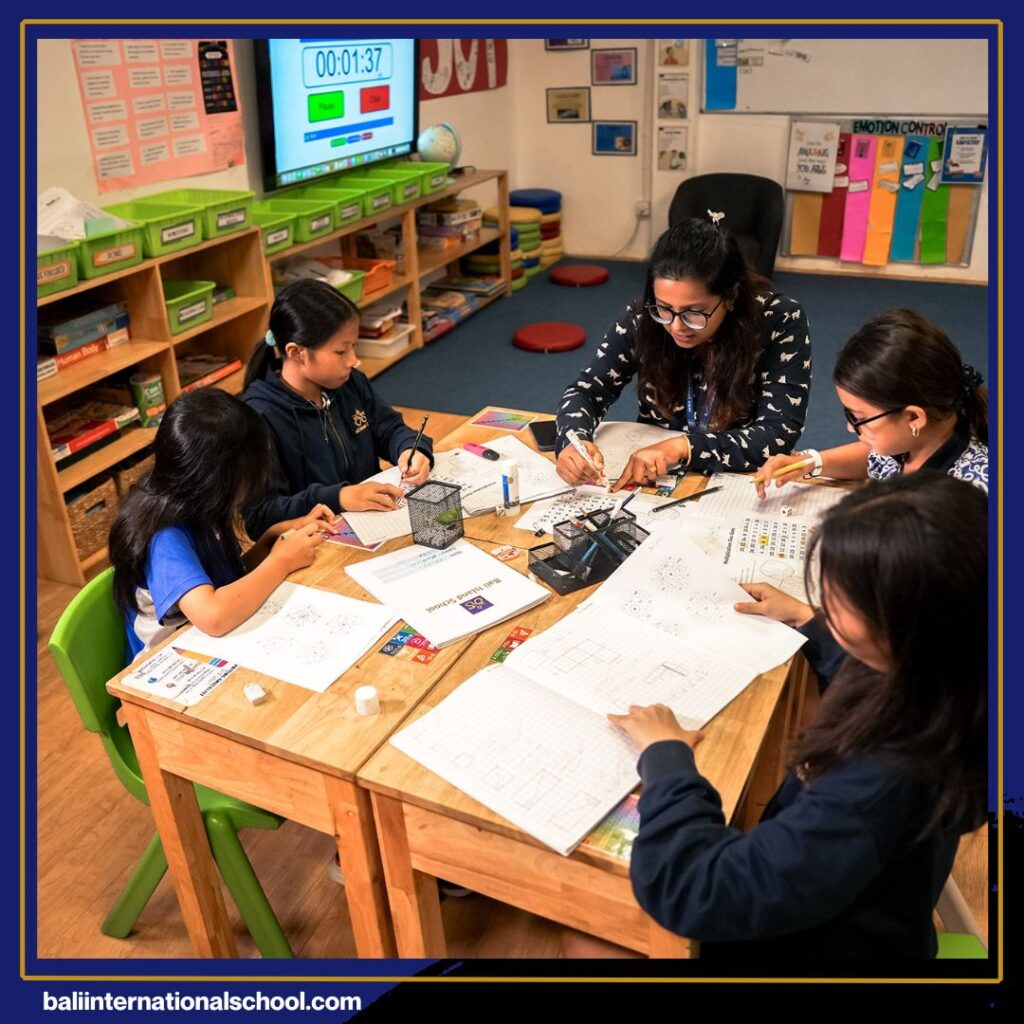
Academic achievement is an important consideration, but children’s development involves much more than examination results. A supportive school should also help students develop resilience, manage challenges, communicate effectively, and recognise their individual strengths. These qualities contribute to their readiness for responsibilities beyond the classroom.
Ask prospective schools how teachers monitor student progress and respond when learners encounter difficulties. You can also enquire about pastoral care, counselling, and the procedures available to address social or emotional concerns. Clear answers can help you understand whether a school provides an environment where your child can seek assistance and continue developing.
Bali Island School describes its educational approach as one that combines academic development with a nurturing environment and opportunities for personal growth. Its published information also outlines student support provisions, although families should discuss individual requirements directly with the school to establish what assistance is available.
Questions worth asking:
- How do teachers provide feedback?
- What student support services are available?
- How does the school encourage independence and wellbeing?
3. Evaluate the Learning Environment and Class Sizes
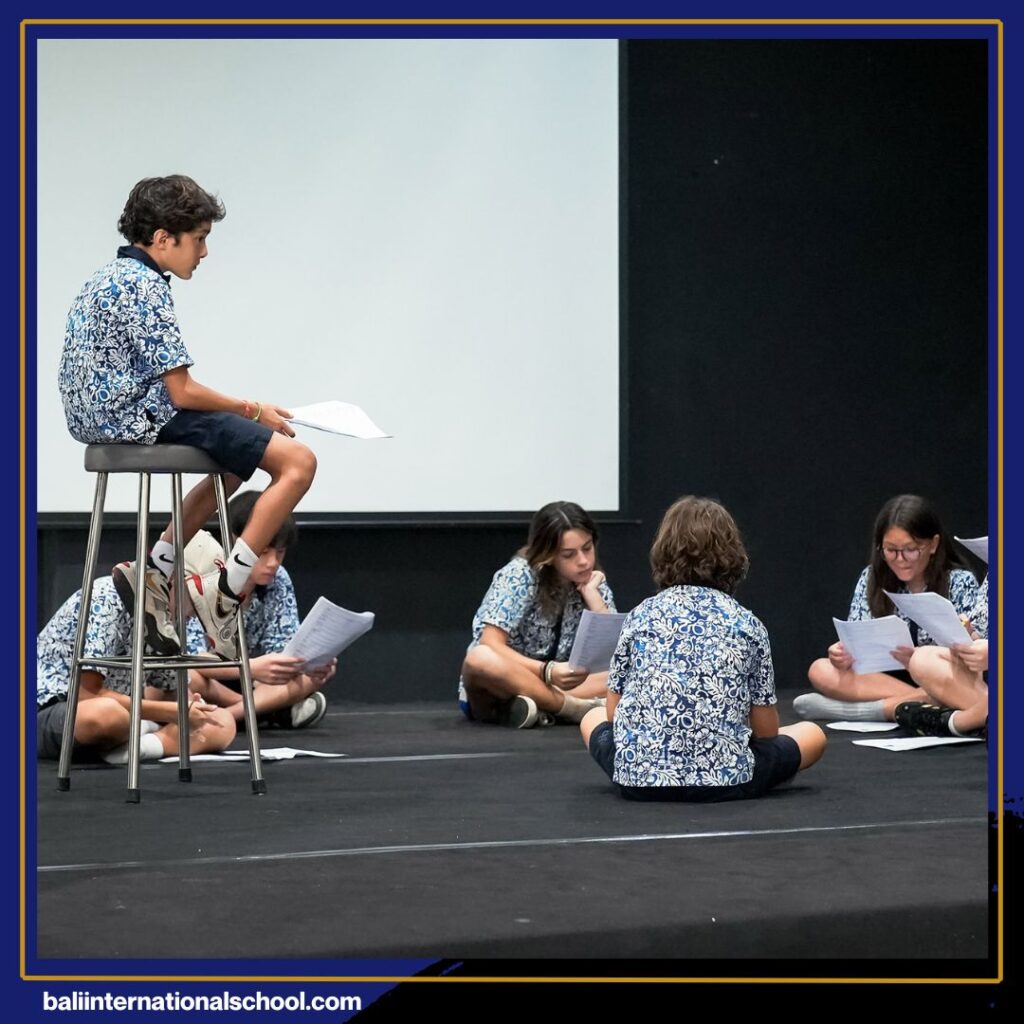
The classroom environment can influence how comfortable students feel participating in discussions, asking questions, and working with their peers. When visiting a school, observe how teachers interact with learners and whether classroom activities encourage active participation. Pay attention to the balance between individual work, collaborative projects, and teacher guidance.
Class size is another useful consideration because it can affect classroom dynamics and the opportunities students have to contribute. However, a smaller class does not automatically guarantee better teaching, just as a larger class does not necessarily indicate lower educational quality. The important question is how effectively teachers manage the classroom and respond to different learning needs.
Bali Island School publishes information about its teaching team, facilities, and educational programmes on its official website. Parents can arrange a campus visit to observe the environment, discuss teaching approaches, and ask how classroom organisation supports students at different grade levels.
During a school visit, check:
- Whether students participate actively in lessons.
- How teachers encourage questions and discussion.
- Whether facilities support the subjects being taught.
4. Explore Extracurricular Activities and Learning Beyond the Classroom

Education continues beyond academic lessons, particularly when children have opportunities to explore interests that may not emerge through conventional classroom activities. Sports can develop teamwork and perseverance, while creative pursuits can help students communicate ideas and experiment with different approaches. Leadership opportunities can also encourage responsibility and confidence.
When comparing schools, look at the range of activities available and how easily students can participate. Ask whether programmes run after school, whether specialist equipment is required, and whether additional charges apply. Your child’s enthusiasm for the available opportunities is often more meaningful than the total number of activities listed in a brochure.
Bali Island School offers more than 60 co-curricular activities across areas such as sports, arts, hobbies, leadership, and academic enrichment. The school also highlights education outside the classroom and community engagement, providing families with several avenues to investigate when considering the broader student experience.
Consider these opportunities:
- Sports and physical activities.
- Music, visual arts, and creative projects.
- Leadership, clubs, and academic enrichment.
5. Consider University Preparation and Long-Term Educational Continuity

Families planning for international university pathways should understand how a school prepares students for the next stage of education. Relevant considerations include subject choices, academic counselling, research skills, language development, and the requirements associated with different university destinations. Ask how the school helps students make informed decisions rather than relying on general promises about future success.
The IB Diploma Programme is designed for students aged approximately 16 to 19 and includes demanding academic work alongside opportunities for independent research and personal development. Students should understand its workload and subject requirements before committing to the programme. Families should also check the admission requirements of their preferred universities because qualifications, prerequisites, and selection criteria vary.
Bali Island School offers the Diploma Programme in Grades 11 and 12 and publishes information about its secondary curriculum and university preparation. This gives parents an opportunity to investigate how the programme fits their child’s academic interests and future plans.
Ask the admissions or university counselling team about:
- Subject selection and Diploma Programme requirements.
- University guidance and application preparation.
- Academic expectations and student workload.
Why Bali Island School Deserves Your Attention
Bali Island School, located in Sanur, has a history dating back to 1986 and provides an educational pathway through the three IB programmes. Its combination of international education, Indonesian cultural learning, and co-curricular opportunities makes it a school worth considering for families seeking a globally oriented learning environment.
The school also emphasises community engagement and learning experiences beyond traditional lessons. These features may appeal to parents who want their children to develop academic knowledge while gaining experience in collaboration, cultural understanding, and personal responsibility.
Nevertheless, no school can be declared the best choice for every family without considering individual circumstances. Your child’s learning preferences, language background, educational goals, support requirements, and your family’s budget should all contribute to the final decision.
How to Make Your Final School Choice
Once you have shortlisted suitable schools, arrange visits and prepare questions before speaking with admissions representatives. Reviewing the curriculum online is useful, but observing the campus and understanding the school’s policies can provide a more complete picture.
Use this checklist to guide your decision:
- Curriculum: Does the educational approach suit your child?
- Student support: Can the school meet your child’s learning needs?
- Activities: Are there meaningful opportunities beyond academics?
- University preparation: Does the school provide suitable guidance?
- Practical considerations: Are tuition, location, admissions requirements, and daily arrangements manageable for your family?
Discuss the options with your child whenever appropriate, especially if they are old enough to express preferences about learning and school life. A thoughtful decision should consider both your family’s long-term aspirations and your child’s experience of learning each day.
Discover Whether Bali Island School Is the Right Fit for Your Child
Finding the right international school begins with understanding what helps your child learn, grow, and develop confidence. If you are considering an IB education in Bali, exploring Bali Island School directly can help you determine whether its programmes and learning environment align with your family’s goals.
Visit Bali Island School’s official website to learn more about the PYP, MYP, Diploma Programme, student activities, and admissions process. You can also arrange a school visit and speak with the admissions team about your child’s educational pathway.
Contact Bali Island School
Bali Island School
Jalan Danau Buyan IV No. 15
Sanur, Denpasar, Bali – 80228
Indonesia
- General enquiries: [email protected]
- Admissions: [email protected]
- Telephone: +62 361 288770
Take the next step by exploring the campus, asking questions, and discovering what the school can offer your family. The best decision is one that gives your child an appropriate educational foundation and room to develop their potential.