
Choosing an international school Bali families can trust involves much more than finding an English-speaking classroom or an impressive campus.
Parents increasingly need to consider how children learn, how teachers nurture individual strengths, and whether the school prepares students to respond confidently to a rapidly changing world.
These decisions can shape a child’s academic development, relationships, and understanding of the wider community for years to come.
So, what should families reconsider before choosing an international education in Bali? The answer begins with looking beyond school rankings and asking whether the curriculum, teaching philosophy, and learning environment genuinely match a child’s needs.
For families exploring their options, Bali Island School offers an opportunity to examine how an established International Baccalaureate pathway can support learning from the early years through secondary graduation.
Why Parents Are Looking Beyond Traditional Measures of School Quality
Academic results remain important, but they are only one part of a child’s educational experience. Parents also need to understand how schools encourage independent thinking, collaboration, creativity, and emotional development.
An international education should provide a coherent learning experience while helping children understand different perspectives and cultures. The right environment can encourage students to ask thoughtful questions, express their ideas, and take greater responsibility for their learning.
Bali Island School (BIS), located in Sanur, offers the International Baccalaureate (IB) Primary Years Programme (PYP), Middle Years Programme (MYP), and Diploma Programme (DP). These programmes create a continuous educational framework from the early years through Grade 12, making BIS worth exploring for families seeking an IB education in Bali.
Read Other Interesting Articles: What Is the Best International School in Bali? The Answer Might Surprise You
Four Reasons to Rethink Your International School Choice
Before deciding which school deserves your attention, consider these four areas that can influence your child’s experience beyond the classroom.
1. Inquiry-Based Learning Can Change How Children Approach Problems
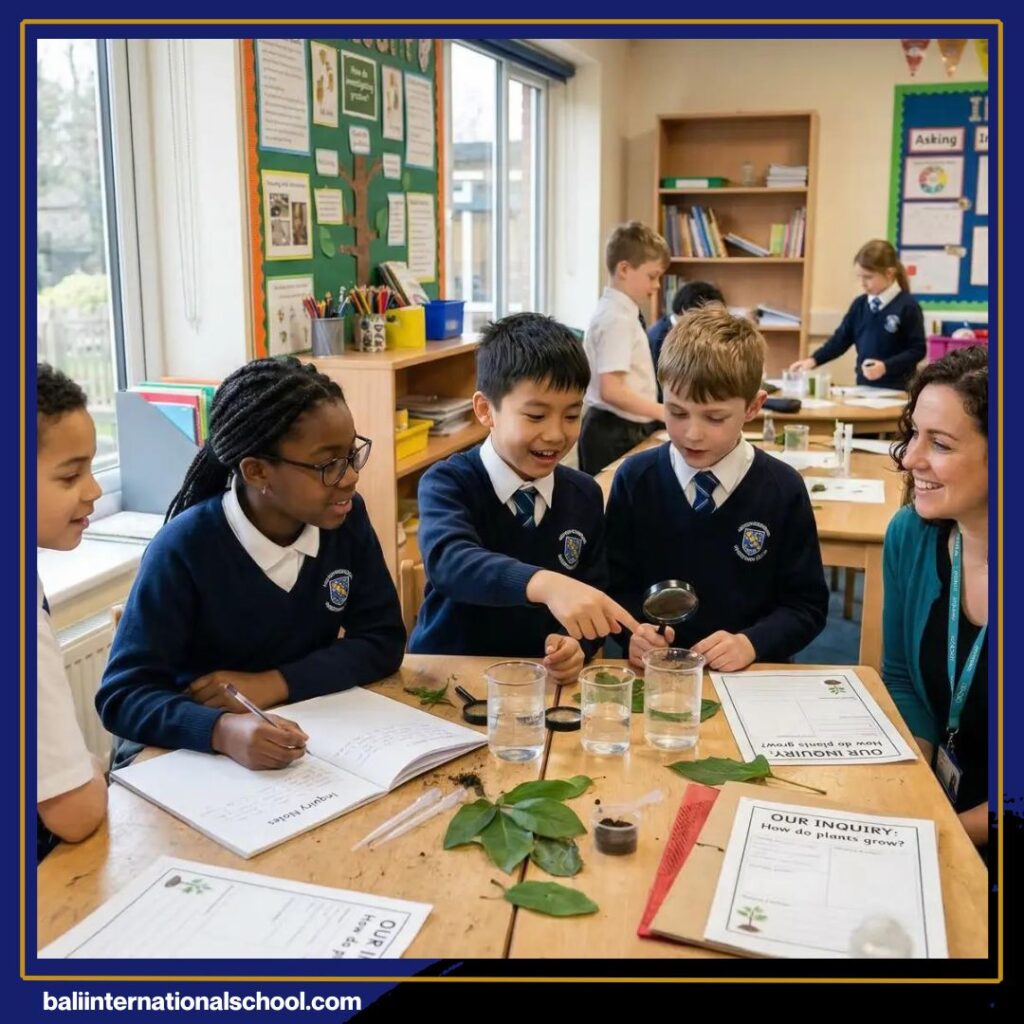
Children learn in different ways, and effective teaching should give them opportunities to explore ideas rather than simply receive information. Inquiry-based learning encourages students to ask questions, investigate evidence, discuss possible explanations, and develop their own understanding. This approach can make lessons more engaging because learners participate actively in the process of discovering answers.
Instead of memorising isolated facts, students can investigate how concepts connect to real situations. A science lesson, for example, might involve observing a phenomenon, gathering information, and explaining the evidence behind a conclusion. Such activities can help students practise reasoning while recognising that complex questions sometimes require more than one perspective.
At Bali Island School, inquiry is an important element of the IB learning approach across its programmes. Parents considering BIS can ask teachers how students investigate questions, develop subject knowledge, and demonstrate their understanding at different grade levels.
2. International Education Can Build Cultural Understanding
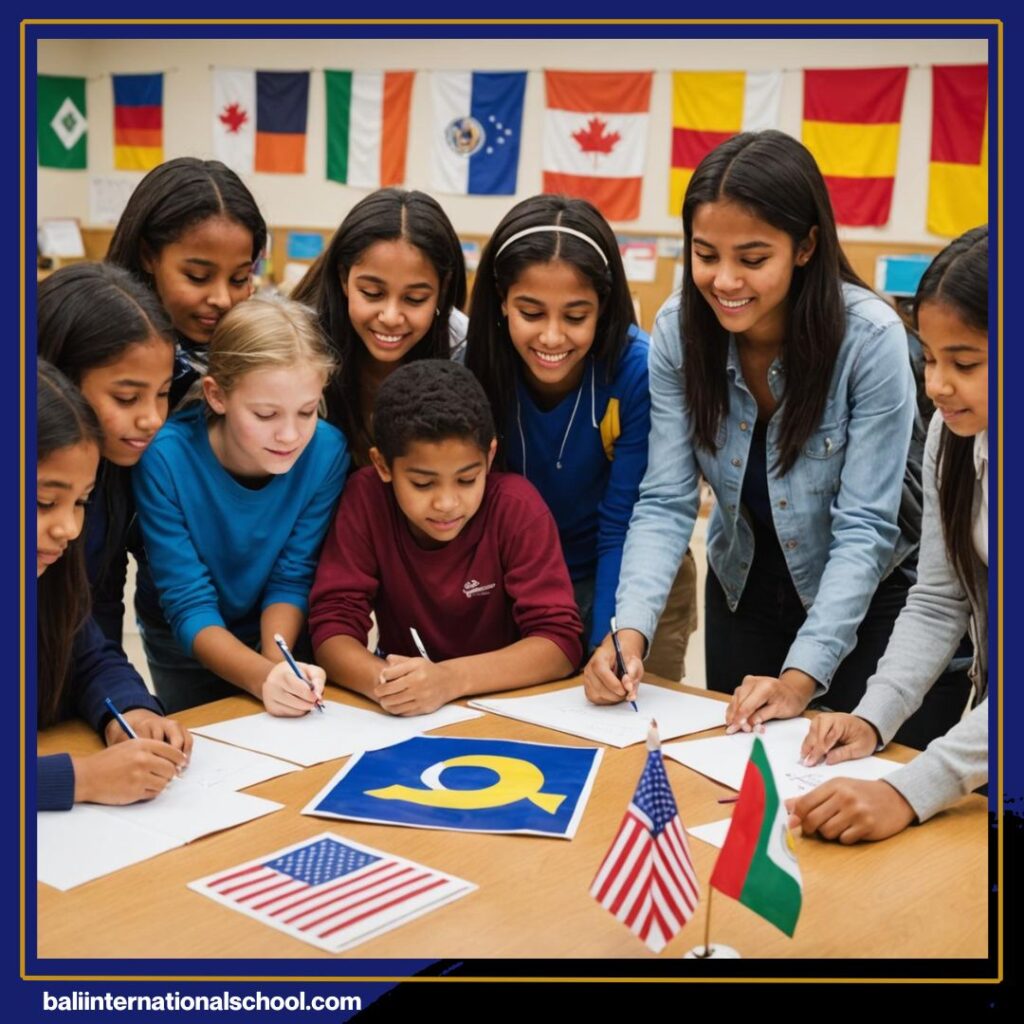
Growing up in a multicultural environment can introduce children to perspectives they might not encounter in a more homogeneous setting. Students have opportunities to learn how classmates communicate, celebrate traditions, and approach problems in different ways. These experiences can encourage curiosity, empathy, and respect when supported by thoughtful teaching and positive relationships.
Cultural understanding also involves learning how to communicate across differences. Group projects, classroom discussions, and shared activities can help students practise listening carefully, explaining their opinions, and resolving disagreements constructively. These skills are useful in higher education, future workplaces, and everyday relationships.
Bali Island School combines an international educational outlook with attention to Indonesian culture and values. Its community and learning programmes provide opportunities for families to explore how global perspectives can coexist with an understanding of the local environment and traditions.
3. Learning Beyond the Classroom Helps Students Explore Their Strengths
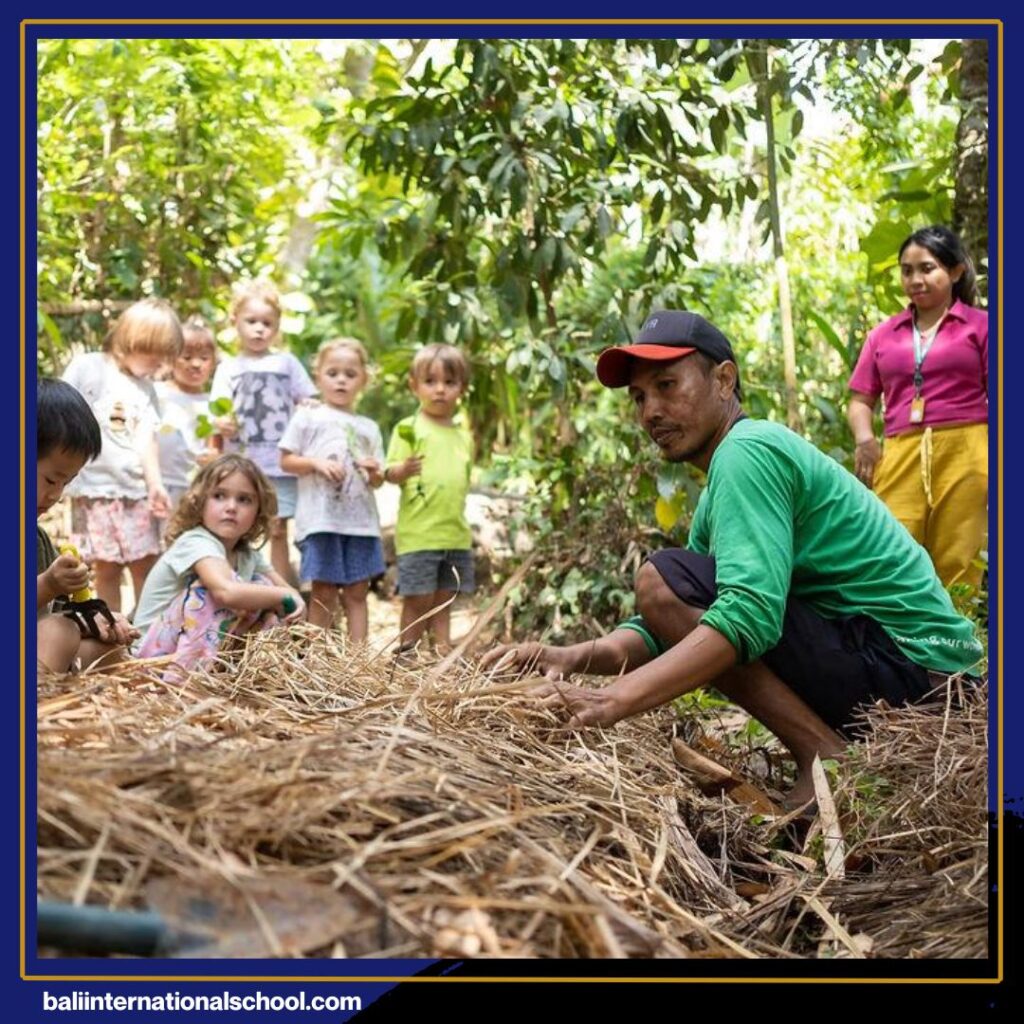
A child’s interests may emerge through experiences that do not fit neatly into a conventional academic lesson. Sports, artistic projects, outdoor activities, and community initiatives can reveal strengths that students may not recognise through examinations alone. These experiences also offer opportunities to practise perseverance, teamwork, and responsibility.
Outdoor and experiential learning can make abstract ideas more tangible by connecting them with real environments and situations. When students work together to complete a challenge, they must often communicate, adapt their plans, and reflect on what they could improve. The educational value comes from the activity itself as well as the reflection and guidance that follow.
Bali Island School highlights learning beyond the classroom through its Education Outside the Classroom programme and student-led community initiatives. Its co-curricular programme also offers more than 60 activities across areas including sports, arts, hobbies, leadership, and academic enrichment, giving students a range of interests to explore.
4. A Continuous Curriculum Can Support Long-Term Educational Planning
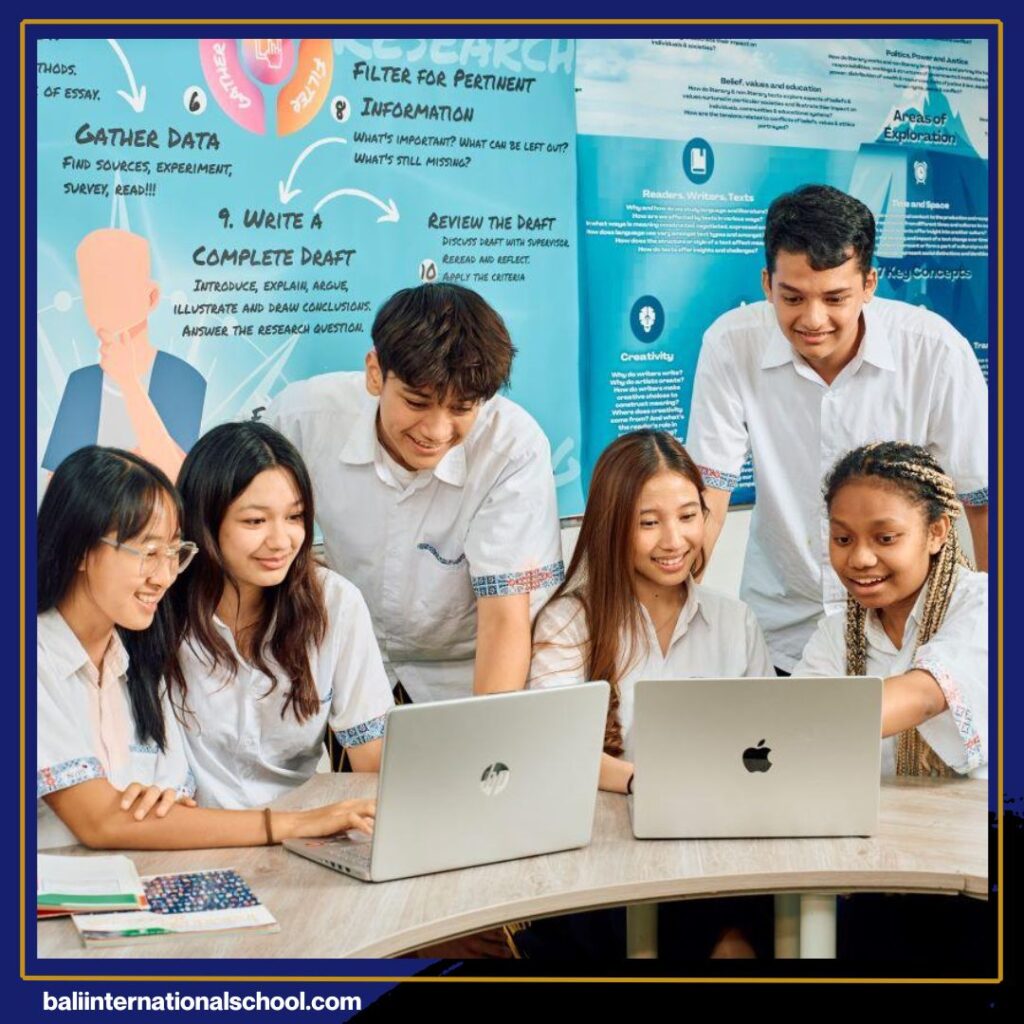
Changing schools or curricula can require students to adjust to new expectations, assessment methods, and subject structures. For families planning several years ahead, understanding the educational pathway can make transitions easier to anticipate. It also helps parents identify the skills their children will need as academic demands increase.
The International Baccalaureate offers programmes designed for different stages of development. The PYP focuses on learning during the primary years, the MYP supports students through the middle years, and the DP provides a demanding academic programme for older students preparing for further education. Each stage has its own requirements, so parents should explore the expectations and suitability of each programme rather than assuming the transition will be effortless.
Bali Island School offers all three IB programmes, with the MYP taught from Grades 6–10 and the DP from Grades 11–12. This continuity may appeal to families who want to investigate a connected IB pathway, although admission, grade placement, and progression remain subject to the school’s requirements and individual circumstances.
What Should Parents Check Before Enrolling?
A school may sound appealing on paper, but your family still needs to determine whether its educational approach is appropriate for your child. Before committing to an enrolment decision, arrange a visit and use the opportunity to ask specific questions about teaching, student wellbeing, and everyday school life.
Use this checklist to guide your research:
- Curriculum and assessment: How do teachers measure progress, and how do students receive feedback?
- Student wellbeing: What pastoral care, counselling, and learning support services are available?
- Extracurricular opportunities: Which activities can students join, and are additional fees required?
- University preparation: How does the school guide students through subject selection and university applications?
- Admissions and affordability: What documents, entry requirements, tuition fees, and additional costs should families expect?
You should also consider your child’s personality, interests, and educational history. A school that suits one family perfectly may not provide the same experience for another, making personal research more valuable than relying exclusively on online reviews.
Is Bali Island School Worth Exploring?
Bali Island School has provided international education since 1986 and continues to serve families seeking a globally oriented educational experience in Sanur. Its IB programmes, multicultural community, co-curricular activities, and emphasis on learning beyond the classroom offer several points for parents to investigate.
The school’s approach may appeal to families who value inquiry-based learning, international-mindedness, and continuity across educational stages. Its integration of Indonesian culture also offers an opportunity to explore how students can develop a global outlook while learning about the country in which they study.
However, choosing a school should always involve more than comparing programme names or promotional claims. Visit the campus, ask about your child’s specific needs, and review the school’s current admissions requirements before deciding whether its learning environment is the right fit.
Give Your Child a Stronger Start by Exploring Bali Island School
Rethinking your school choice is an opportunity to focus on what matters most: finding an educational environment where your child can develop knowledge, confidence, curiosity, and a sense of responsibility.
If you are researching an international school in Bali, explore how Bali Island School approaches learning through its IB programmes, student support, and co-curricular opportunities. Visit the official Bali Island School website to discover the available programmes and arrange a conversation with the admissions team.
Contact Bali Island School
Bali Island School
Jalan Danau Buyan IV No. 15
Sanur, Denpasar, Bali – 80228
Indonesia
- General enquiries: [email protected]
- Admissions: [email protected]
- Telephone: +62 361 288770
Take the next step by asking questions, exploring the school environment, and discussing your child’s educational goals with the admissions team. The right decision starts with understanding your options and finding a school whose approach aligns with your family’s aspirations.