
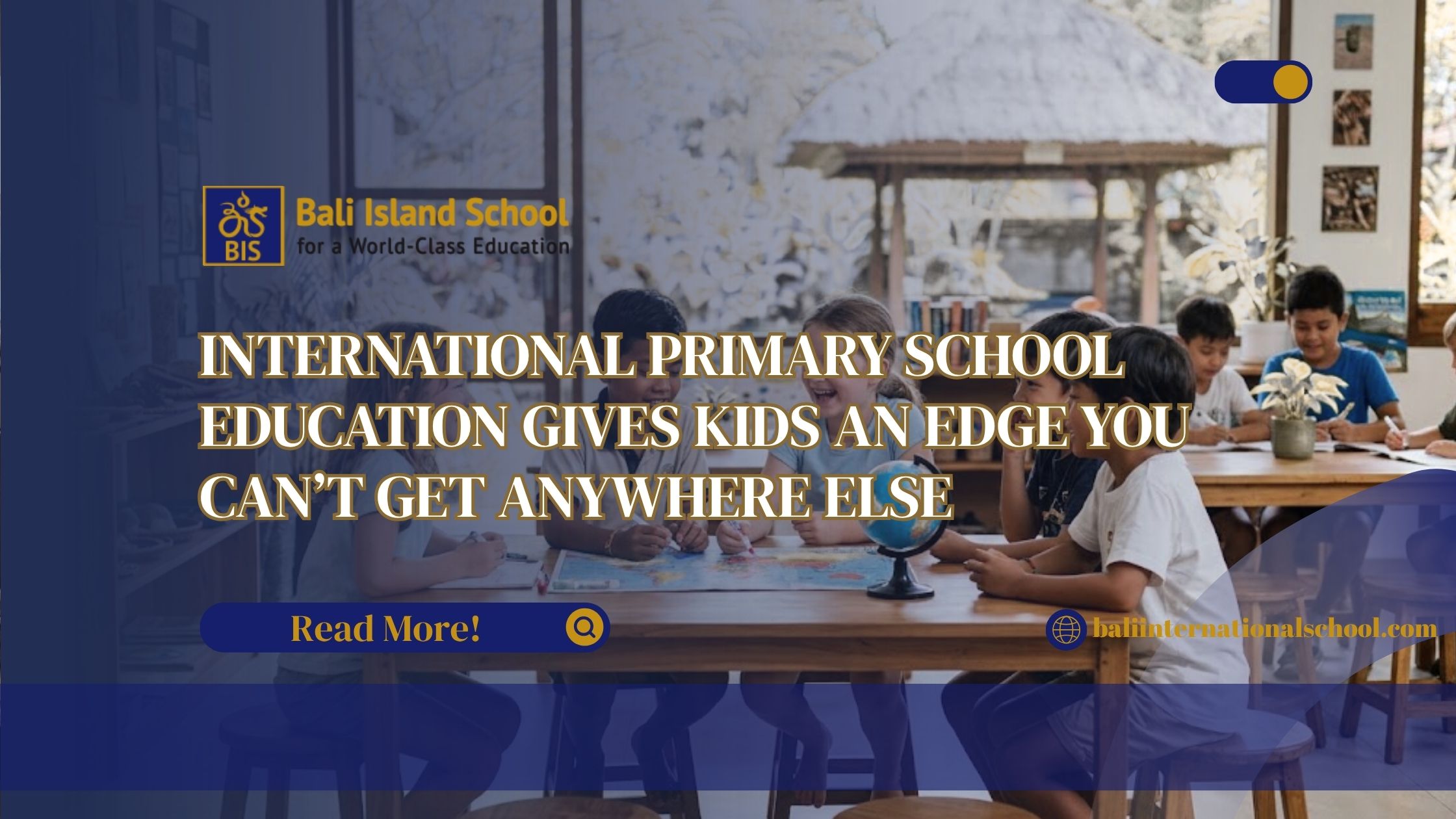
The early school years can shape how children see learning for the rest of their lives, and international primary school education offers an approach that goes beyond memorising facts and completing worksheets.
From communicating ideas to working with classmates from different backgrounds, children have opportunities to develop skills that can support them well into the future.
For parents, the key is understanding which parts of this educational experience can make a meaningful difference.
Primary school is also a time when children begin forming their attitudes towards challenges, friendships, and their own abilities.
A supportive learning environment can help them become more confident in asking questions, expressing opinions, and trying unfamiliar tasks.
When these habits grow alongside academic knowledge, children gain a foundation that reaches far beyond the classroom.
What Makes International Primary School Education Different?
International primary education often combines academic learning with personal development, intercultural understanding, and opportunities to apply knowledge in practical contexts. The exact experience depends on the school’s curriculum, teaching methods, and student support systems, so parents should look beyond the label “international” when comparing schools.
At Bali Island School (BIS), the Primary Years Programme (PYP) of the International Baccalaureate (IB) is offered from Preschool through Grade 5. Its approach places children at the centre of learning and aims to develop active, caring, lifelong learners. Students explore subject knowledge alongside concepts, skills, attitudes, and opportunities to take thoughtful action.
1. Children Learn to Think, Not Simply Memorise
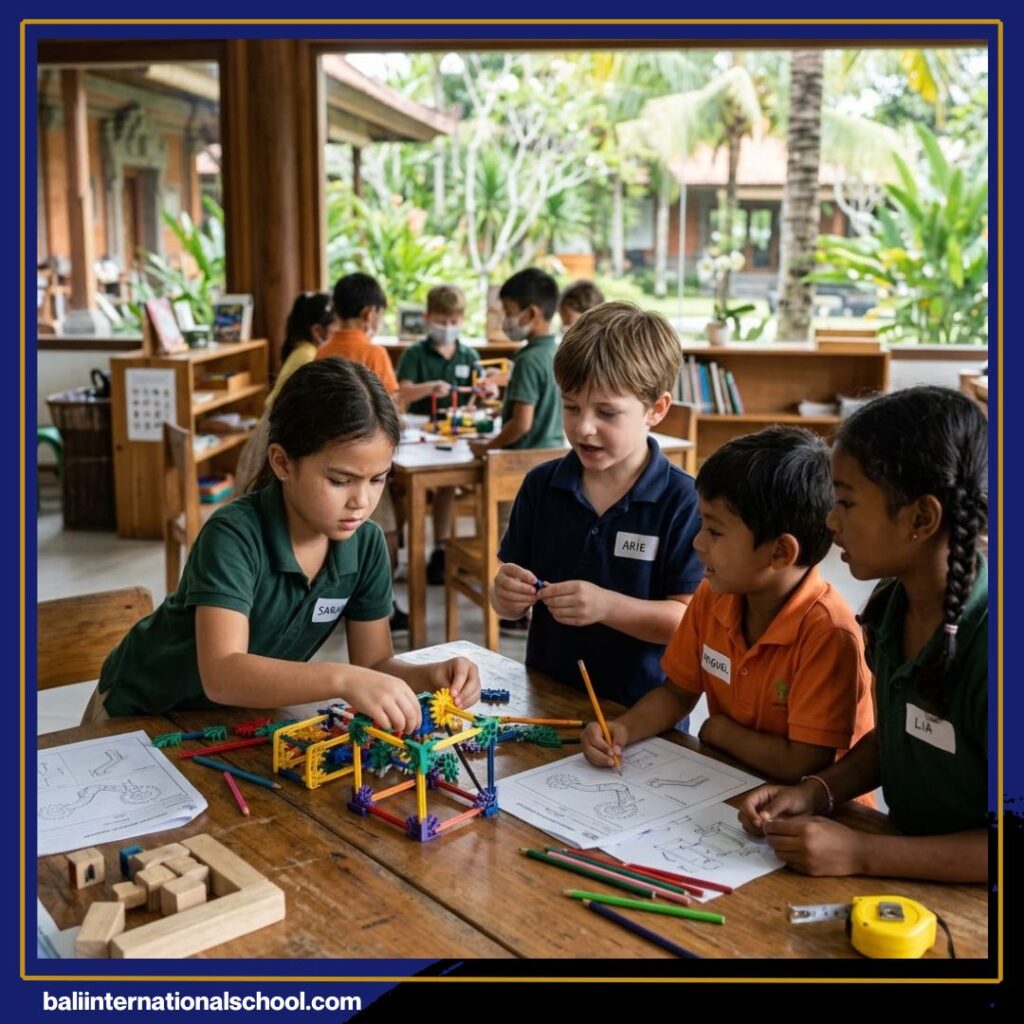
Memorising information can help children remember essential facts, but understanding how to use that information is equally important. International primary classrooms may encourage students to investigate questions, compare ideas, explain their reasoning, and connect lessons to situations they recognise. These activities help children practise thinking through a problem rather than immediately waiting for an answer.
For example, a science lesson about plants can involve observing leaves, recording changes, and discussing what plants need to grow. Students still learn relevant scientific knowledge, but they also practise making observations and drawing conclusions from evidence. This combination can make lessons more meaningful because children have an active role in building their understanding.
Over time, such experiences can help children approach unfamiliar questions with greater confidence. They learn that a difficult task can be broken into smaller steps and that changing an answer after discovering new evidence is part of learning. These habits are useful across subjects, from mathematics and science to language and the arts.
2. Communication Becomes Part of Everyday Learning
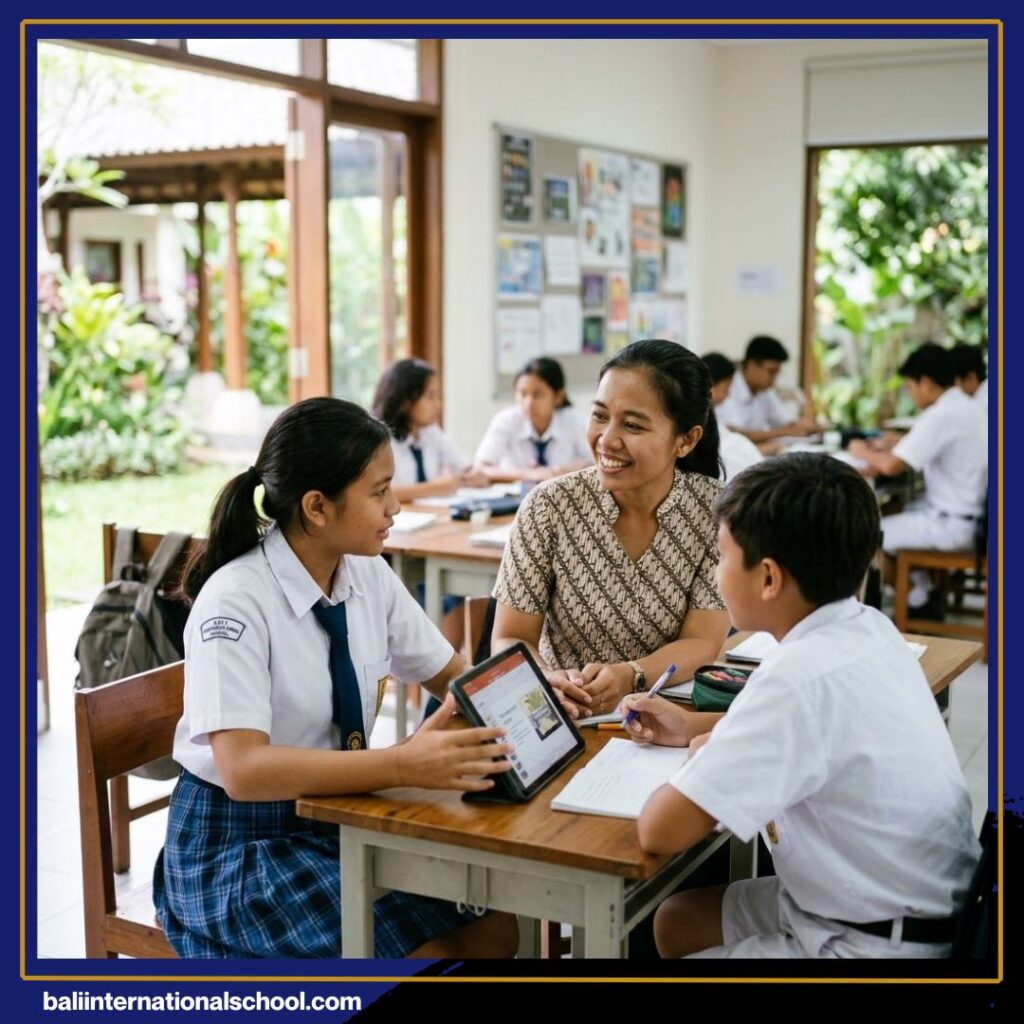
Strong communication involves more than speaking fluently or writing grammatically correct sentences. Children also need to explain their thinking, listen carefully, ask relevant questions, and respond respectfully when someone has a different opinion. These abilities are easier to practise when classroom activities create regular opportunities for meaningful interaction.
Group projects, presentations, discussions, and shared investigations can help students learn to organise their thoughts and communicate them clearly. A child who is initially reluctant to speak may gradually become more comfortable contributing to a small group before presenting to a larger audience. Teachers can support this progress by providing appropriate guidance and recognising individual development.
Communication skills also support relationships. Children learn to take turns, clarify misunderstandings, and consider how their words affect others. These experiences can help them participate more confidently in class and build healthier connections with classmates.
3. Independence Grows Through Everyday Responsibilities
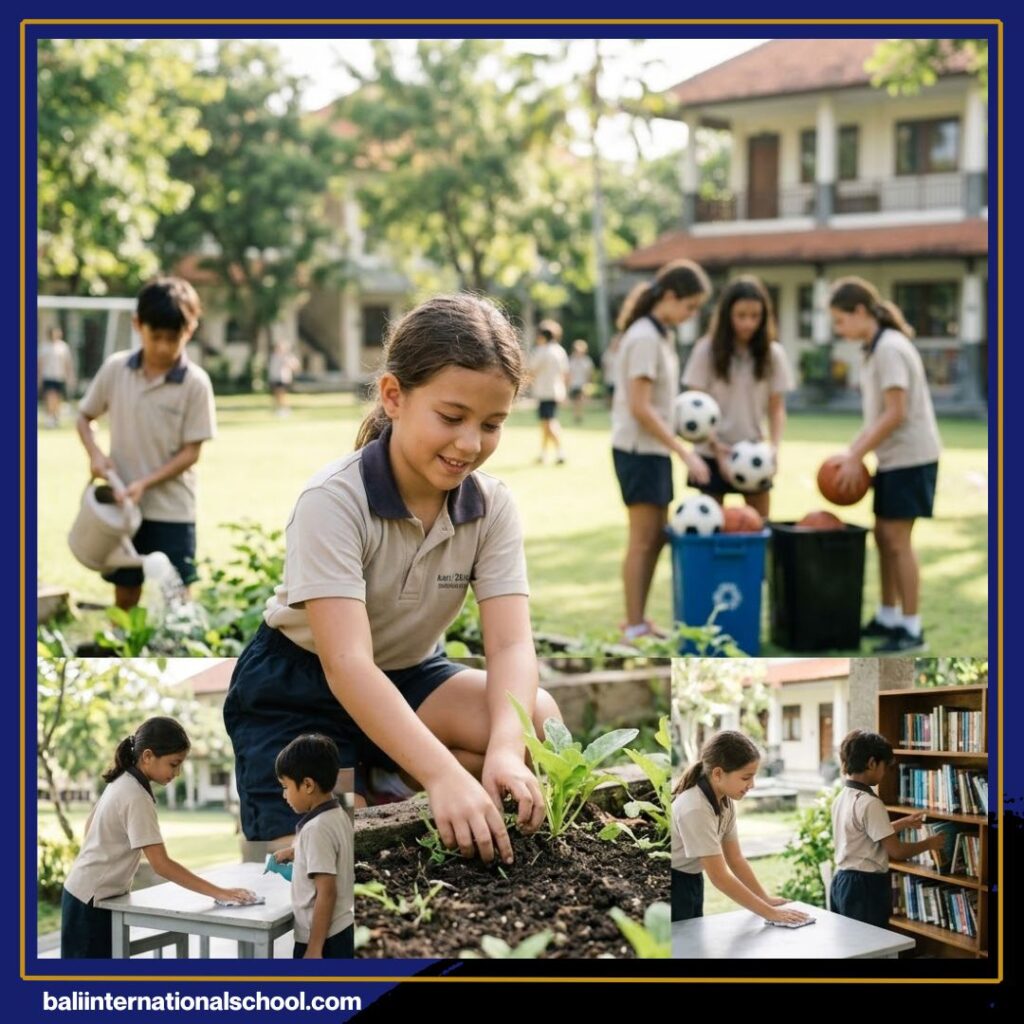
Primary students are still learning how to manage their time, belongings, and emotions. A good learning environment gives them age-appropriate opportunities to practise these responsibilities instead of expecting them to master everything immediately. Small routines can gradually help children become more organised and aware of their own learning needs.
Depending on their age and classroom expectations, students might prepare materials, follow a task sequence, keep track of assignments, or reflect on what they have completed. Teachers can provide checklists, visual reminders, and feedback while gradually encouraging children to take more responsibility. The aim is to balance independence with the reassurance that support remains available.
These skills matter as schoolwork becomes more complex. Children who have practised planning and reviewing their work may find it easier to adjust when a task takes longer than expected or requires a different strategy. Independence does not mean doing everything alone; it means learning when to act independently and when to ask for help.
4. Cultural Awareness Develops Through Real Relationships
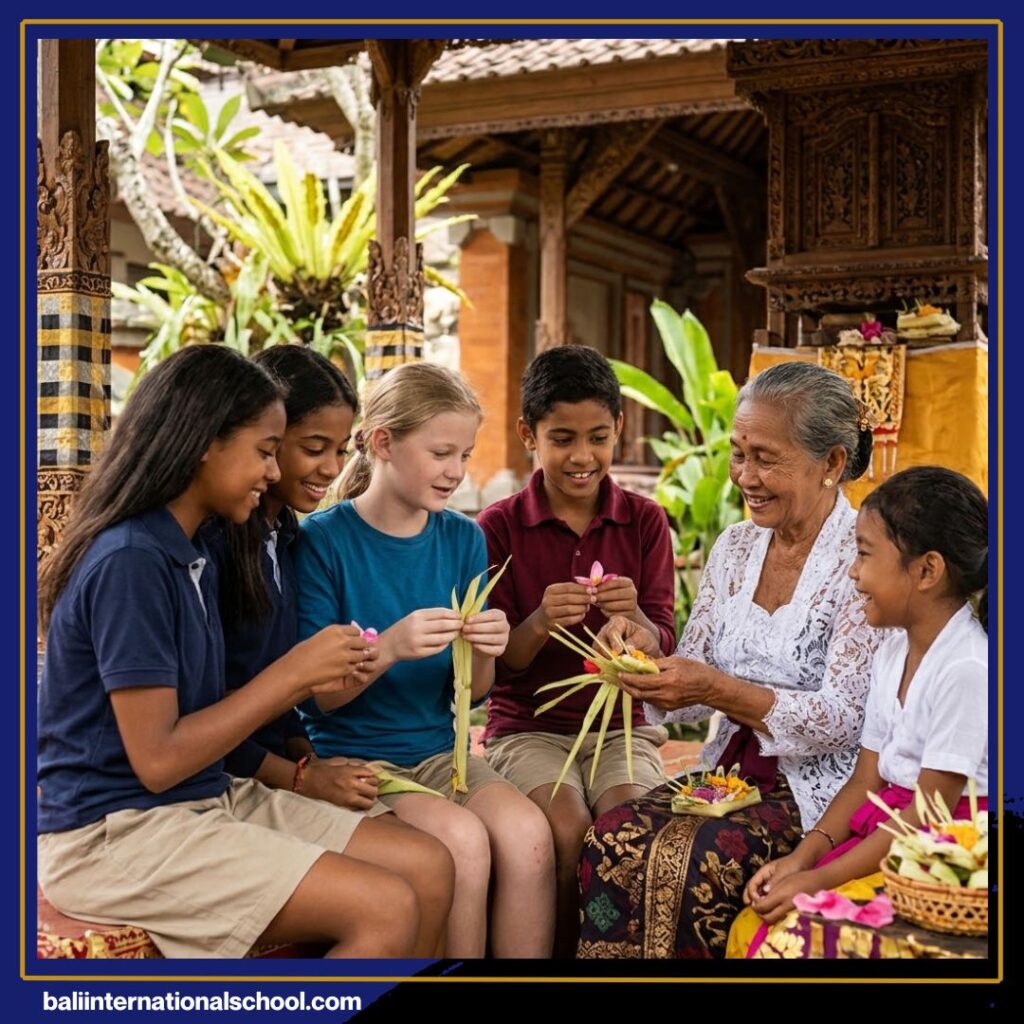
In an international school, children may meet classmates whose languages, traditions, family experiences, and perspectives differ from their own. These everyday interactions create opportunities to learn about diversity through relationships rather than relying entirely on textbook descriptions. With thoughtful guidance, students can develop curiosity about others while recognising the values and experiences they share.
Class discussions, cultural activities, collaborative projects, and the study of local and global communities can introduce children to different ways of understanding the world. They can practise asking respectful questions, recognising assumptions, and listening when someone describes an experience unfamiliar to them. Such learning helps children understand that disagreement does not have to prevent cooperation.
A genuinely international education should also help children appreciate the culture of the country where they live. At Bali Island School, the school’s SPK framework brings international programmes together with Indonesian educational requirements, including attention to Indonesian culture and language. This local connection can help students develop a sense of place while engaging with a broader international community.
5. Academic Learning Connects With Life Beyond School
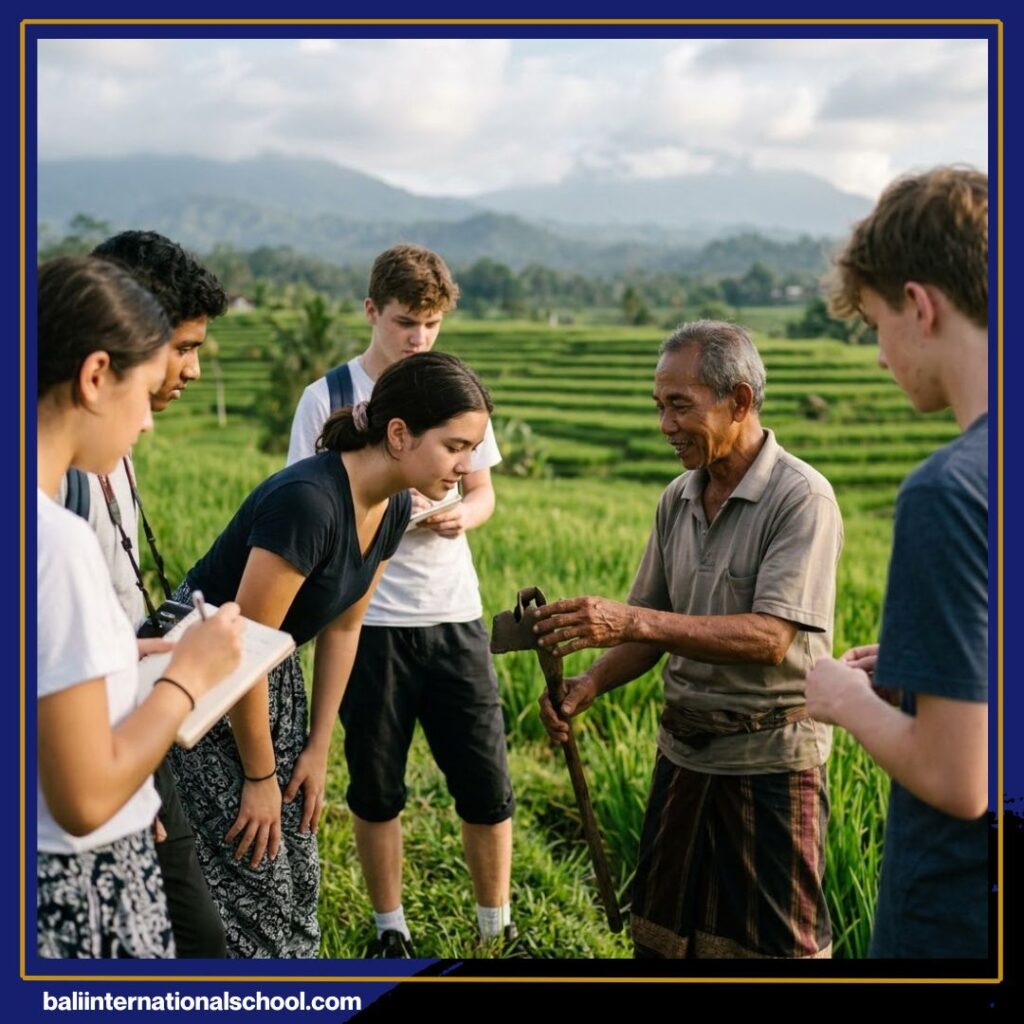
Children often understand an idea more clearly when they can see how it applies outside a textbook. International primary programmes may use projects, practical investigations, creative tasks, and discussions of real-world issues to help students make these connections. The purpose is not to remove academic rigour, but to give children meaningful contexts in which to use what they learn.
A mathematics activity, for instance, might involve comparing quantities, measuring objects, or organising information in a chart. A language task could ask students to research a topic and explain their findings to classmates. These activities can bring several skills together while still requiring students to practise the underlying academic concepts.
Practical learning also gives children opportunities to make decisions and evaluate outcomes. They may discover that a first plan needs revision or that working with others requires negotiation. When teachers help students reflect on these experiences, children can begin recognising how classroom knowledge and everyday problem-solving support one another.
6. The Whole Child Receives Attention
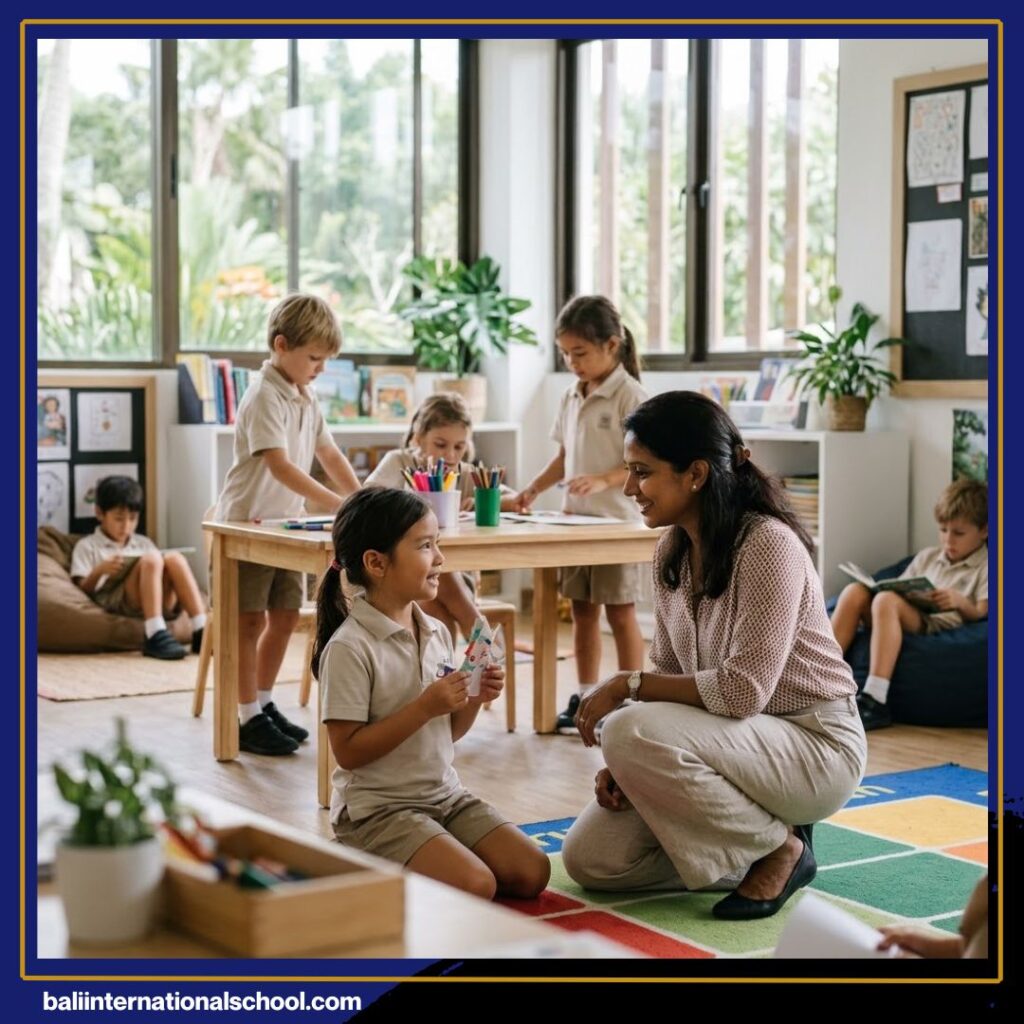
A child’s progress cannot always be measured through academic results alone. Confidence, friendships, emotional regulation, physical wellbeing, and a sense of belonging can all influence how a student experiences school. Primary education should therefore create conditions in which children can learn while feeling respected, supported, and appropriately challenged.
A balanced school experience includes opportunities to explore interests, participate in physical activity, express creativity, and develop social skills. It also recognises that children progress at different rates. Some may need additional language support, more time to understand a concept, or encouragement to participate in group activities.
Parents can ask schools how teachers monitor progress, communicate concerns, and respond to different learning needs. They should also find out how the school supports positive relationships between students and helps children feel safe asking for assistance. These practical details can reveal as much about the learning environment as the curriculum name.
7. A Clear Learning Path Can Ease the Move to Secondary School
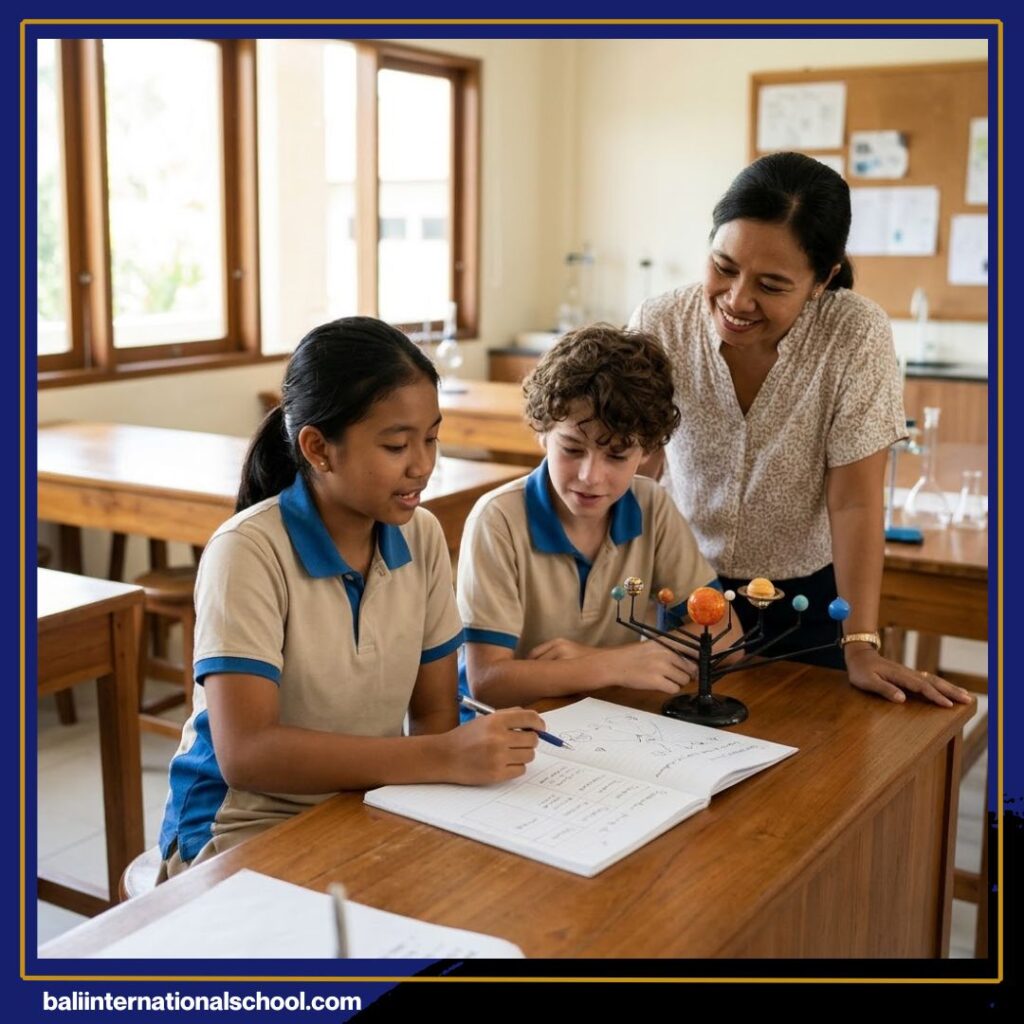
The transition from primary to secondary school brings new expectations. Students may encounter more specialised subjects, different teachers, larger assignments, and greater responsibility for managing their work. A strong primary foundation can help them approach these changes with useful academic and personal skills.
Schools that offer a connected curriculum across multiple age groups may also be able to help students prepare for the next stage of learning. At Bali Island School, the IB pathway includes the Primary Years Programme, Middle Years Programme for Grades 6–10, and Diploma Programme for Grades 11–12. This provides a continuous framework across the school years, although each programme has learning goals suited to students’ developmental stages.
Parents should ask how the school prepares primary students for the next phase. Useful questions include how teachers develop research and organisational skills, how progress is communicated, and how students are introduced to changing academic expectations. A thoughtful transition plan can make moving to secondary school feel more manageable.
How to Choose the Right International Primary School for Your Child
The right school is not necessarily the one with the most impressive brochure or the longest list of facilities. It is the school whose curriculum, teaching approach, community, and support systems fit your child’s needs and your family’s educational priorities.
Before making a decision, consider these practical points:
- Curriculum and learning approach: Ask how lessons are planned, assessed, and connected to real-world experiences.
- Teacher support: Find out how teachers understand each child’s progress and respond when additional support is needed.
- Classroom environment: Observe whether students have opportunities to participate, ask questions, and work collaboratively.
- Student wellbeing: Ask how the school supports friendships, emotional development, and a sense of belonging.
- Cultural understanding: Look for meaningful engagement with both local culture and different international perspectives.
- Progression between grades: Understand how the school prepares students for the academic and personal demands of the next stage.
If possible, arrange a school visit and observe how students interact with teachers and one another. Speak with the admissions team about your child’s needs, and ask for clear explanations of the curriculum, assessment practices, and available support. These conversations can help you make a decision based on the daily learning experience rather than reputation alone.
Give Your Child a Stronger Start With Bali Island School
Choosing an international primary school is an important decision because the primary years help shape how children learn, communicate, and relate to the world around them. The most valuable education combines academic development with curiosity, responsibility, cultural understanding, and the confidence to keep learning as challenges change.
Bali Island School offers the IB Primary Years Programme from Preschool through Grade 5, with an educational approach designed to develop the whole child. Families interested in understanding how the programme works can explore the school’s curriculum and arrange a visit to experience the learning environment firsthand.
Contact Bali Island School
- Address: Jalan Danau Buyan IV No. 15, Sanur, Denpasar, Bali 80228, Indonesia
- General enquiries: [email protected]
- Admissions: [email protected]
- Telephone: +62 361 288770
- Website: baliinternationalschool.com
Visit the official Bali Island School website to learn more about the Primary Years Programme, explore admissions information, and arrange a school tour. The right choice begins with understanding how a school can support your child’s individual growth.